
Carl Cocker: The First Professional Tongan Tattoo Artist | TVNZ Networks— Tagata Pasifika Documentary (2002)


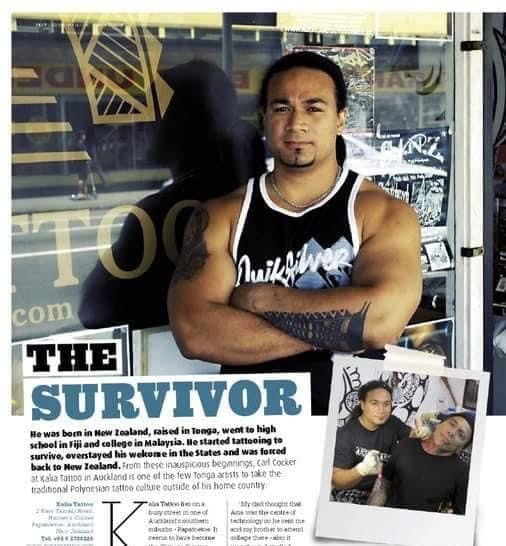
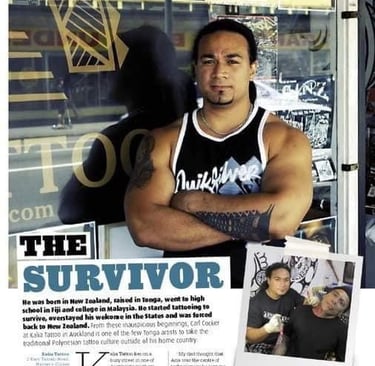

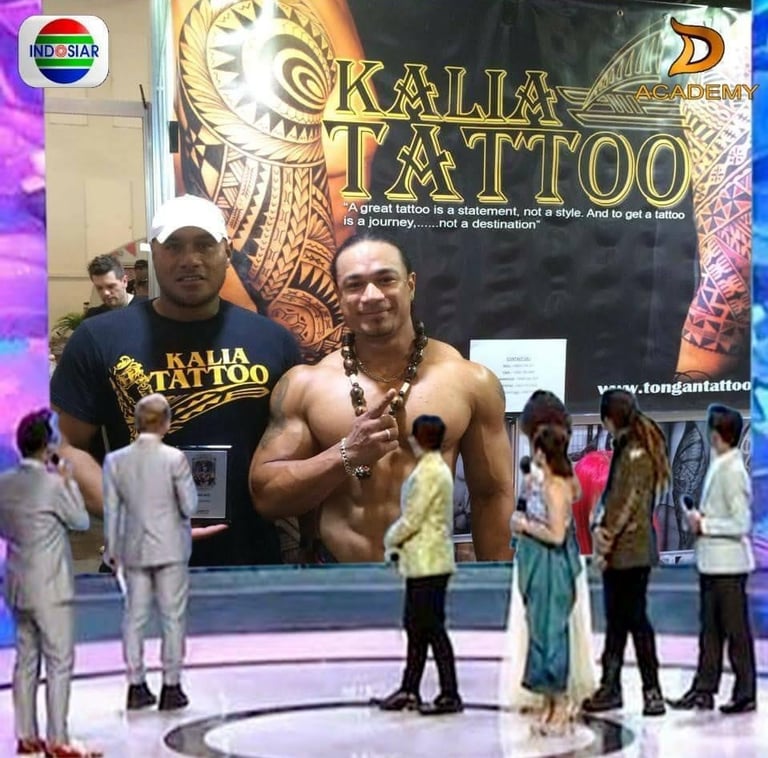
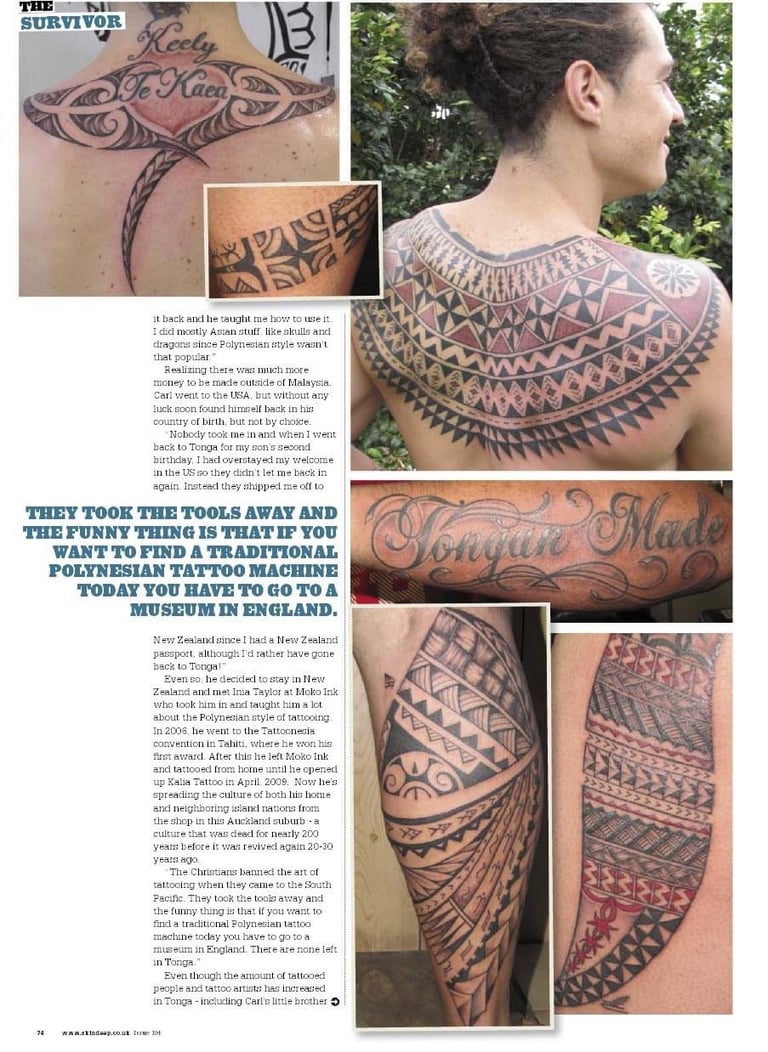
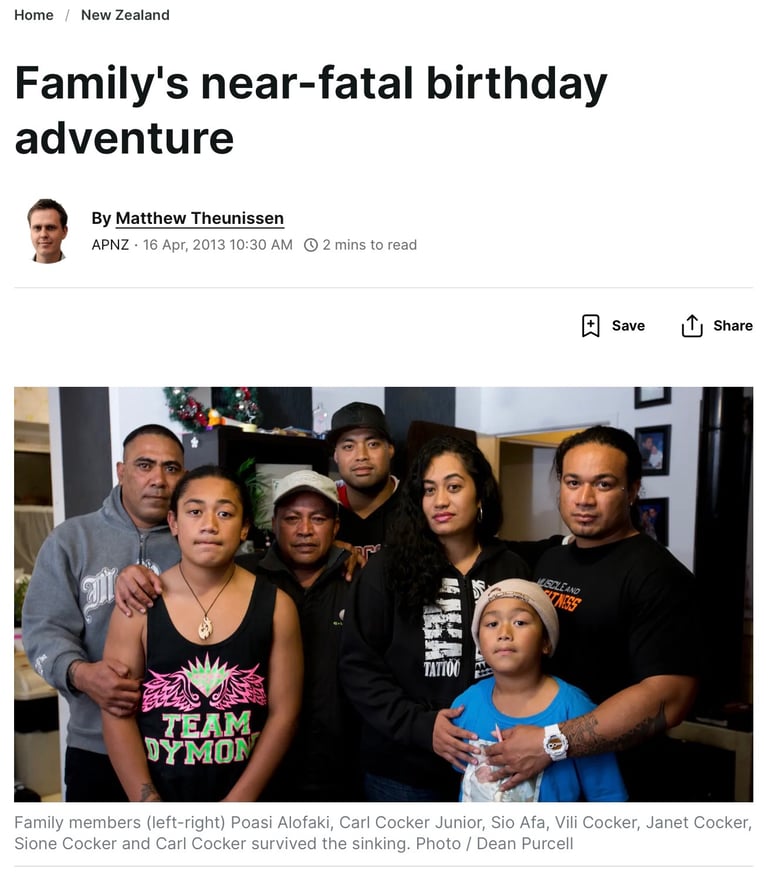
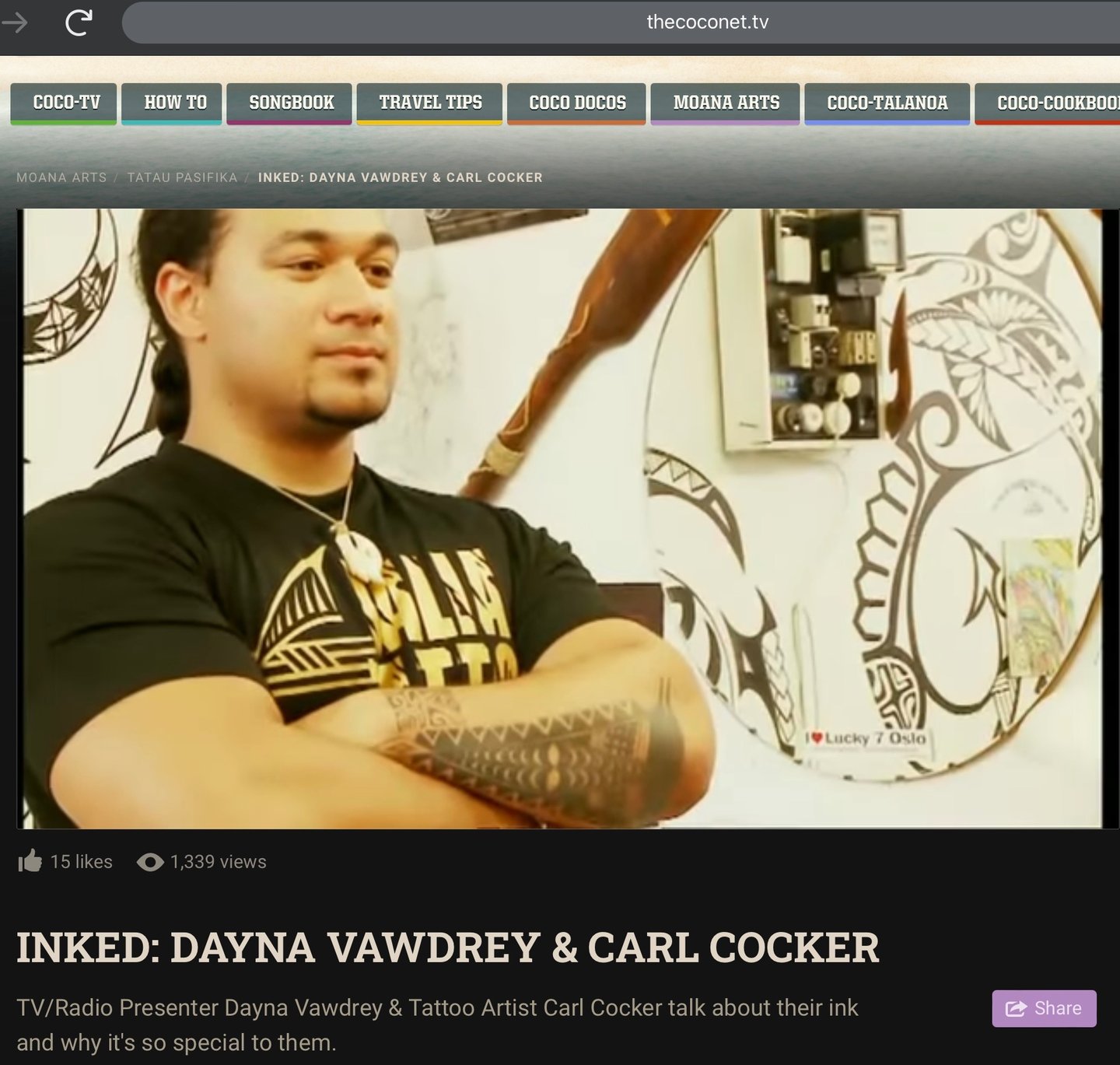
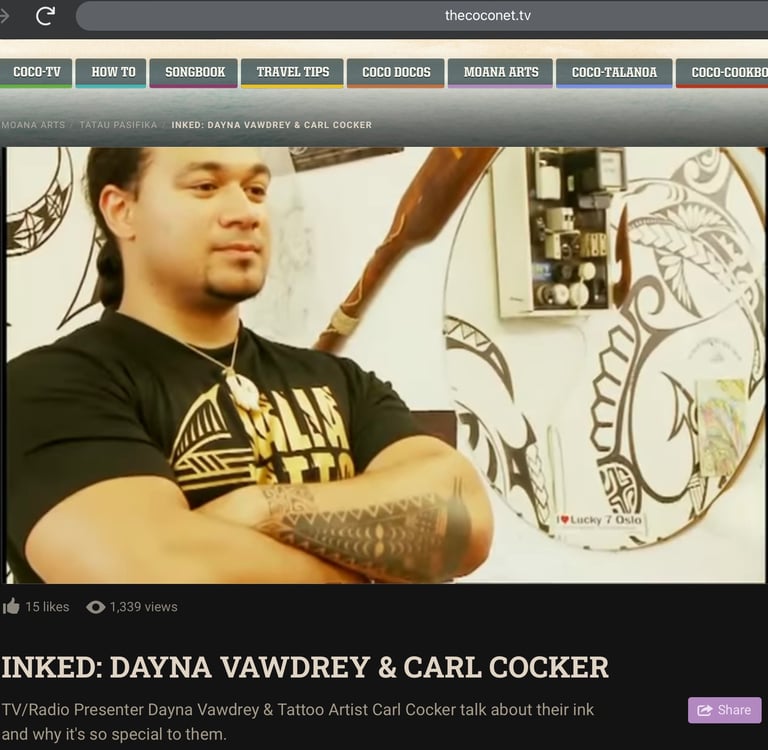


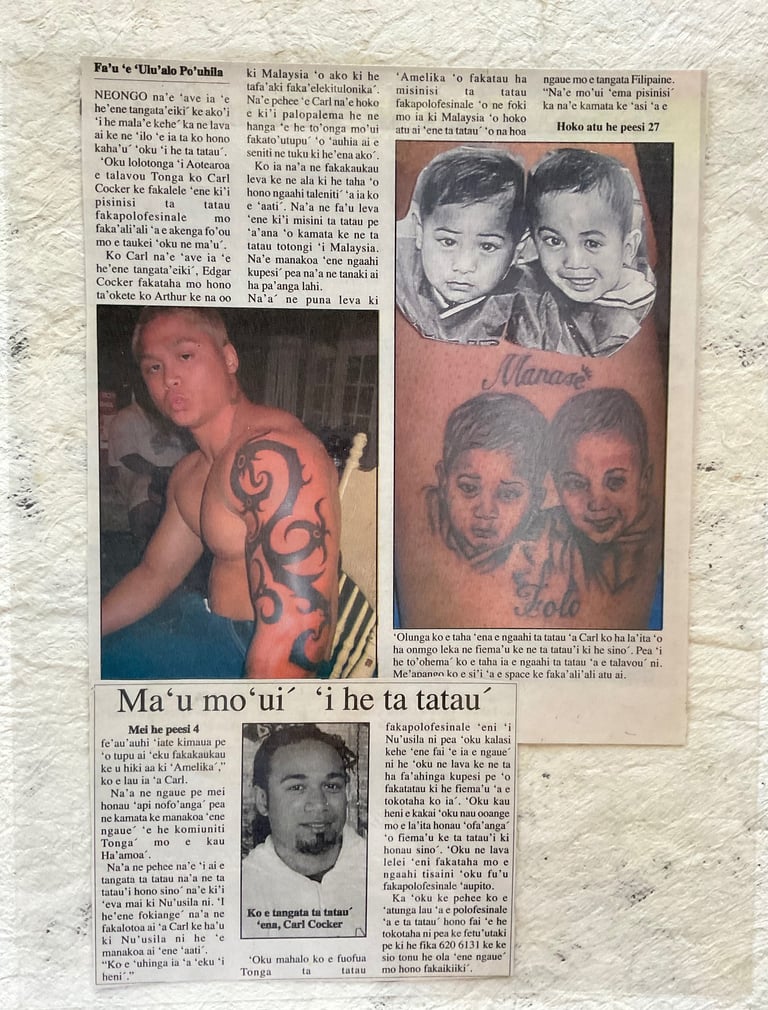
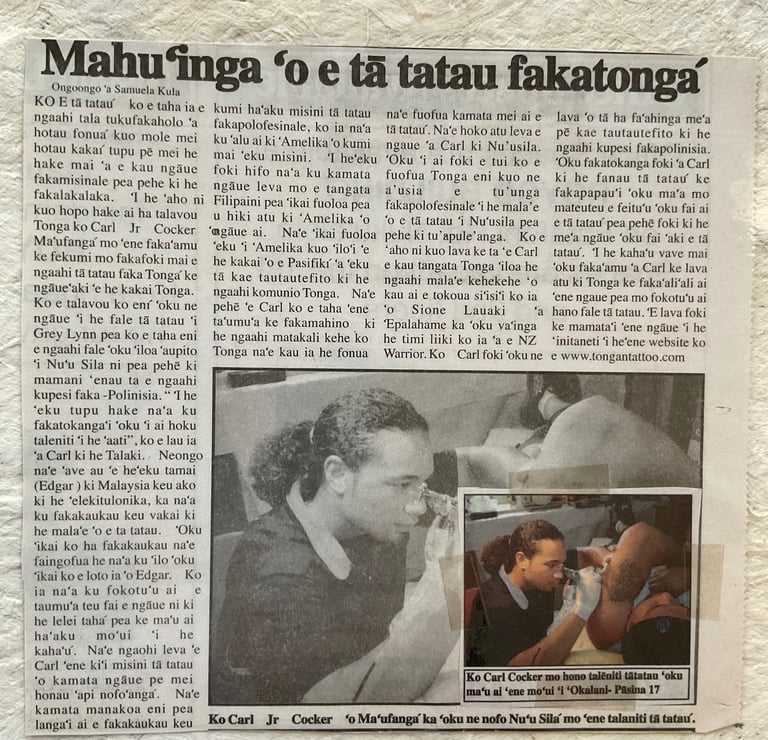


Step back into the early 2000s with this historic Polynesian Pacific Islands documentary segment from New Zealand TVNZ Network's Pacific News Tagata Pasifika, featuring 21-year-old Carl Cocker—the youngest Polynesian tattoo artist at the time—marking the beginning of a global Tongan tattoo renaissance.
At a time when Polynesian tattooing was dominated by Samoan, Māori, RaroTonga Mangaia Cook Islands, Tahitian, Marquesan, and Hawaiian tattoo artist masters, Carl Cocker aka KALia broke through as the first professionally recognized Tongan tattoo artist in New Zealand and across the Pacific regions and worldwide. https://youtu.be/DSipc5t_4Gg?si=AQcirM4r2ASNYb0Y
This rare 2002 documentary footage captures Carl Cocker’s rise among legendary Samoan tattoo tufuga tatau, Maori tattoo tamoko, Tahiti tatouage, Hawaiian tattoo kakau, and Marquesan tattoo patutiki tatouer —an era when "Tongan tattoo" was unknown as a household and in the professional scene. https://tattoonesia.blogspot.com/2008/02/
By 2006, Carl Cocker was not only the first Tongan tattoo artist to represent Tonga at the prestigious Tattoonesia Tatau i Tahiti Polynesian Tattoo Convention , hosted by the Tahiti Government and Tourism Board—but he also won 1st Place, coming just behind Japanese tattoo artist Shige. https://youtu.be/WNfzL76k0c8?si=W1n7yC4LZLU_lu00
This video—later replayed and distributed by Coconet TV in 2015—marks the beginning of a 20+ year journey. Carl Cocker continues to lead the Tongan tattoo revolution, blending ancestral storytelling with modern mastery, and has paved the way for a new generation of Polynesian artists.
thecoconet.tv is a hub for Pacific Islands moving image content online, It was funded by New Zealand NZ On Air https://www.nzonair.govt.nz/watch-and-listen/
👉 For media inquiries, press interviews, or documentary collaborations, please contact us here: kaliatattoo25@gmail.com

The Mission to Revive Tongan Tattoo: 20+ Years of Cultural Revolution
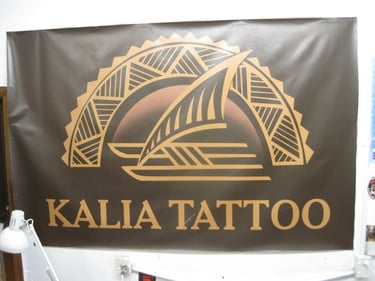
Since the early 2000s, Carl Cocker—founder of Kalia Tattoo Studio in Auckland, New Zealand and later in Australia—has led a bold mission to revive and restore Tongan tattoo (tatatau) art as a vital part of Pacific Island Tongans cultural identity.
In 2002, Auckland New Zealand Carl " KALia " Cocker, officially registered the name Kalia Tattoo and tongantattoo.com world wide web domain name, marking the beginning of a cultural revolution in Polynesian tattoo culture.
This featured video captures a powerful moment in 2014 when Carl invited Sua Suluape Peter—the son of Sua Alaiva‘a Petelo Suluape and nephew of the legendary Sua Paulo Suluape—to Kalia Tattoo Studio in Papatoetoe, Auckland. https://youtu.be/8O4DhXclU0Q?si=e59Kc17ulKar8r-t
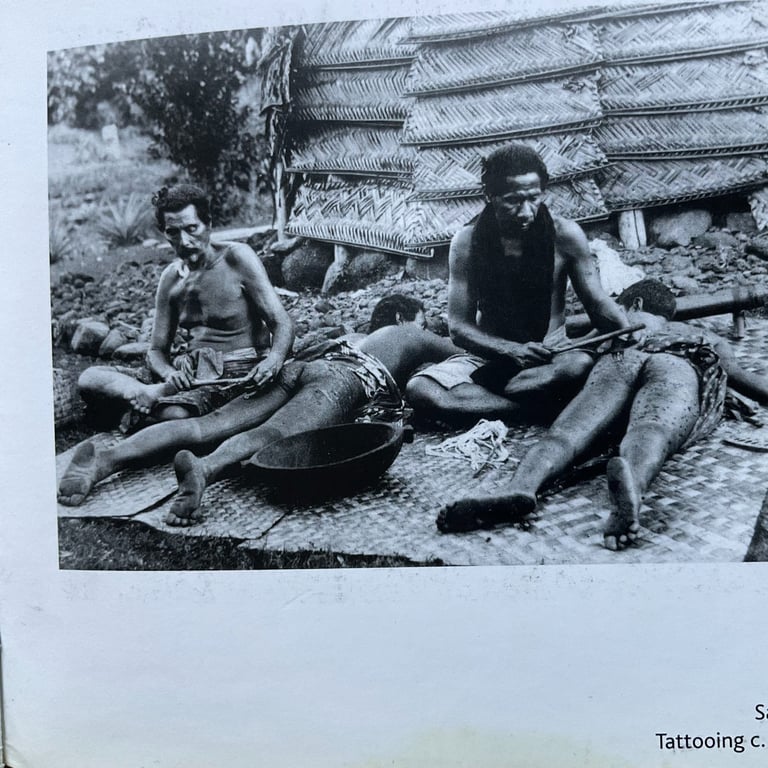
In this sacred session, Peter Suluape tattooed Carl KALia Cocker in honor of their dedication to Pacific tattoo revival. No Samoan tattoo pe‘a or malu was requested or performed but a Tongan tattoo art on Carl's thigh and a Samoan tatau art using traditional authentic art of Tonga and Samoa.
Carl KALia Cocker, out of respect for Samoan tatau protocols, does not use traditional Samoan tools, knowing full well that only tufuga of Samoan lineage may carry that right.
Raised in Tonga, and Fiji, Carl KALia and his brother, King ‘Afa were taught the value of honoring sacred boundaries. https://www.kingafa.com/
Our mission has always been to revive authentic Tongan tattooing, not to replicate Samoan ceremonies. Despite Janet Hopoi Cocker’s partial Samoan ancestry—her grandmother migrated from Samoa to Tonga during the Samoa civil war—we never crossed into ritual spaces reserved for tufuga tatau families. Instead, we focused on preserving Tongan art, symbolism, and traditional protocols with the same spiritual seriousness. https://youtu.be/AiBnBjkcmOI?si=bxJOYipqxFntqaOE
Carl Cocker's journey included a mentorship at Moko Ink, the first Māori and Polynesian tattoo studio in New Zealand, under Inia Taylor III, from 2003–2006.
It is important to honor the pioneers who helped bring Polynesian tattoo culture to the global stage. Inia Taylor III, a respected Māori tā moko master and founder of Moko Ink, served as the Assistant Art Director for the landmark New Zealand film Once Were Warriors (1994). This powerful cinematic work was the first international feature film to expose audiences to Polynesian tattooing—specifically Māori tā moko—on VHS and DVD, long before the era of streaming platforms. The film played a pivotal role in raising awareness of indigenous identity, trauma, and cultural survival. For young Polynesians and emerging tattoo artists, it serves as a reminder that our ancestral marks have long carried stories of strength, resistance, and pride. Inia Taylor’s artistic contributions both onscreen and in real life continue to influence the Polynesian tattoo revival across Aotearoa and the Pacific diaspora. https://youtu.be/N0-Q3ChKcfE?si=LcipvqbJRDBdcIfM
There, we studied Māori tattoo art of tā moko and puhoro, Cook Islands tattooing from Mangaia and Rarotonga, and respectfully observed Samoan tattoo art of tatau and ceremonies led by the Suluape family. Though we witnessed sacred rituals, we never claimed them as our own. https://youtu.be/Gq8iLrMWBh4?si=n8lJr904ynGnuBdT
At a time when tattooing in Tonga was considered outlawed—linked to rebellion and criminality—we began to reframe tattooing as a form of cultural pride and ancestral storytelling. Over the past 20 years, Tongan tattoo has transformed into a respected Tongan cultural art, now embraced by church leaders, Tonga Government officials, Nobles, Royal family, professionals, educators, and Pacific Island communities worldwide.
For many Tongans abroad—especially those unable to return home due to illness or distance—Tongan tattoo has become a living inheritance (tofia), a sacred expression of lineage, remembrance, and pride. We built this legacy not for fame, but for future generations.
This 2014 video of Sua Suluape Peter tattooing at Kalia Tattoo stands as a rare and historic moment of Pacific unity, cultural respect, and mutual admiration.
🔥 Suppressed History: OutLawed of Tatatau & Tatau in Tonga; by TaufaaHau King Tupou I
The ancient practice of Tongan tattoo (tatatau) and Samoan tatau was officially outlawed in the Kingdom of Tonga under the reign of TaufaaHau King Tupou I, who issued the 1839 Vavau Code of Laws with the British Diplomats and London Missionary Society in Tonga. Contrary to popular belief, this ban was not due to Christian missionaries—it was a royal decree by TaufaaHau, later known as King George Tupou I, who sought to restructure Tongan society under a modern legal framework. The sacred tatau rituals brought to Tonga by Samoan migrants and Samoan clans integrated into the Tui-Tonga, Tui HaaTakaLaUa, and Tui-KanokUpolu dynasties were no longer permitted. This marked a historical turning point where tattooing in Tonga was suppressed forbidden as in the Tongan language tapu aka tabu.
Carl Cocker’s own lineage ties directly to this pivotal era. His paternal ancestor, Joshua Cocker, arrived in Tonga from Britain in 1860 with his wife and two sons. Joshua Cocker was appointed by TaufaaHau King Tupou I as the official British Consulate to Tonga, playing a key role in diplomatic relations and in the assembly of the Tonga Coat of Arms (Tongan Seal). He later became a leading commodity trader from Tonga port in the Pacific region. Carl Cocker's heritage is deeply connected to the Kingdom of Tonga’s nation-building, diplomacy, and now, through his work at Kalia Tattoo, the revival of a once-banned art form. https://malotonga.com/1HohokoCockersofTonga.html
This deeper truth highlights the importance of restoring Tongan tattoo culture (tatatau) with cultural accuracy and historical respect. Through Carl Cocker’s mission, the legacy of Tongan skin marking is no longer silenced, but celebrated—reclaiming what was once forbidden under royal law and restoring pride for future generations.
Understanding the Difference: Tongan Tatatau vs. Samoan Tatau Pe'a and Malu
Many Polynesian tattoo fans in the U.S., particularly American-born Tongans, often blur the lines between Samoan tatau pe’a, malu, and revival of Tongan tattoo and tatatau. While we are all brothers and sisters in the Polynesian Tagata Pasifika family, it is crucial to respect cultural boundaries and protocols.
In the Kingdom of Tonga, traditional Tongans do not perform the Samoan tatau ritual, unless it is formally conducted by a Samoan tattoo artist - tufuga tatau. This is not merely a matter of pride—it is a matter of protocol, sacred respect, and ancestral duty.
While an Estate Noble Chief (Lord) in Tonga may support or endorse the idea of allowing a tradition from Samoa or Fiji to be practiced within their estate, they cannot authorize such a cultural practice independently. The ultimate authority lies with His Majesty the King of Tonga, who serves as the head of the Privy Council and the protector of the kingdom’s cultural, religious, and political integrity.
Historically, the last Tui Tonga Laufilitonga received a traditional tatatau in Manu‘a, American Samoa, while Taufa‘ahau King Tupou I also received a tatatau in Manono, Upolu. Both events were carried out by Samoan tattoo tufuga tatau. However, TaufaaHau King Tupou I later decreed the practice of Samoan tatau to be discontinued in Tonga, recognizing that the expansion of the Samoan matai system and Samoan tatau - tattoo ceremonies within Tongan Samoan clans had previously contributed to internal conflict and civil war.
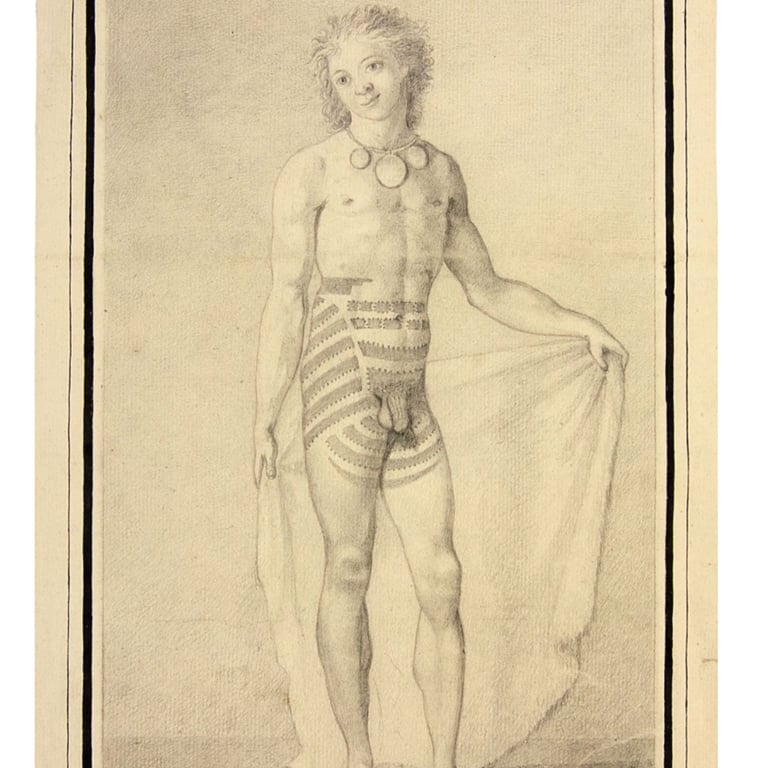
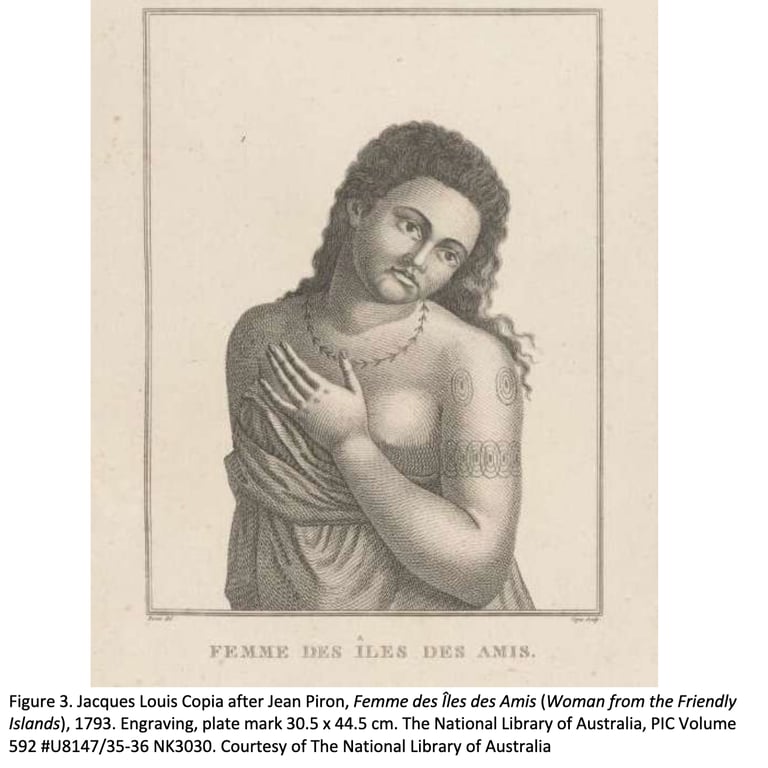
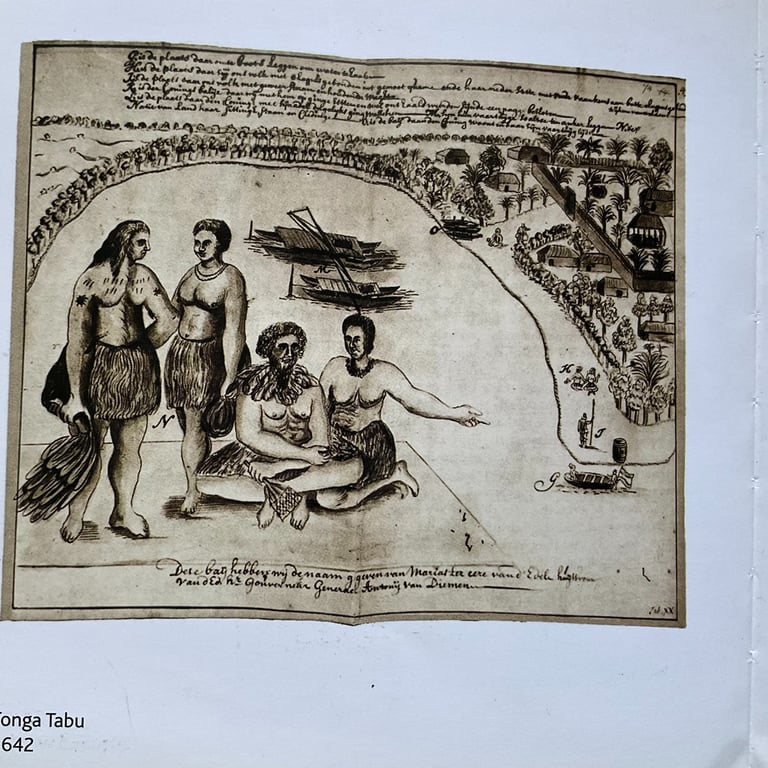
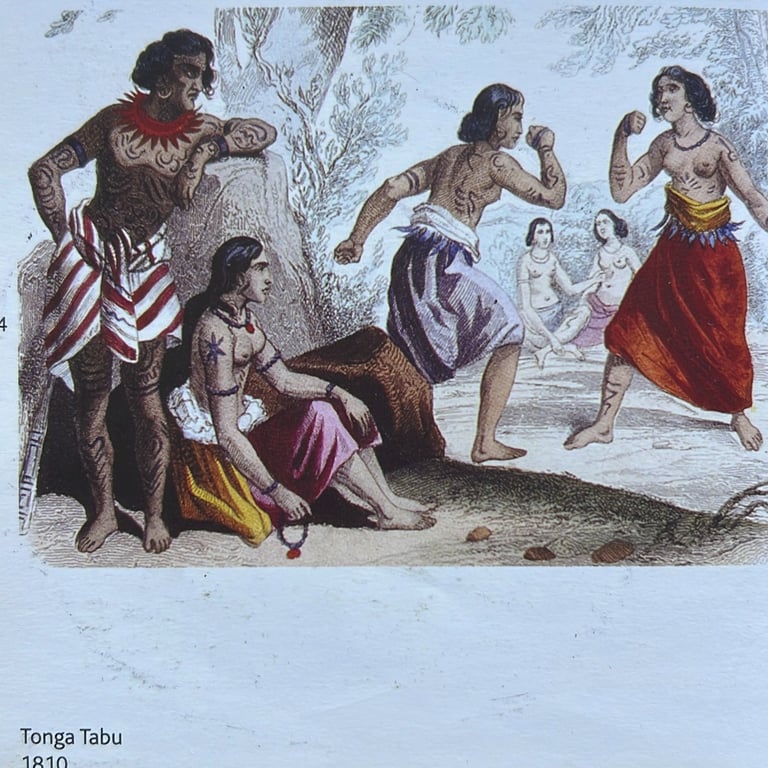
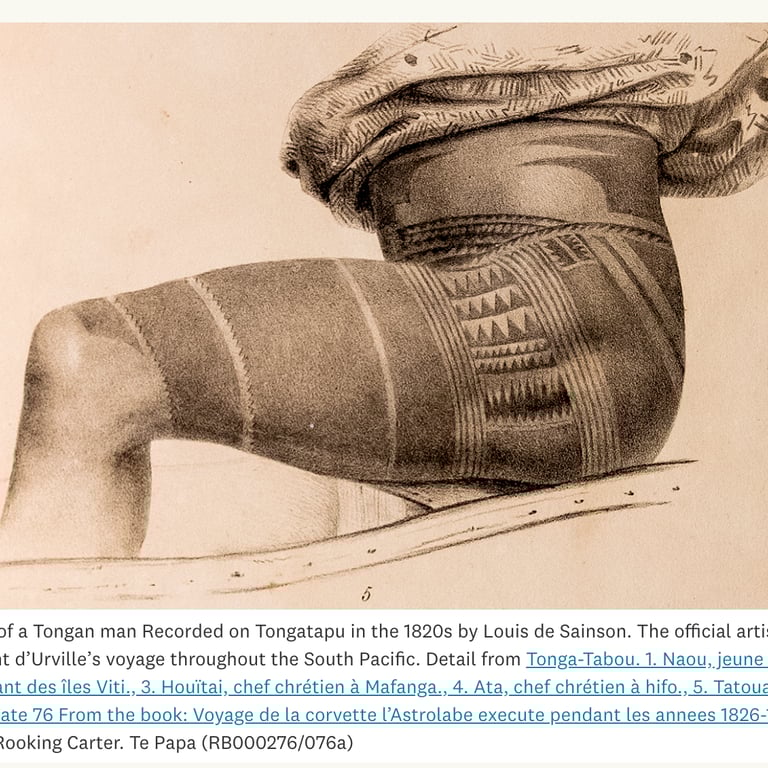
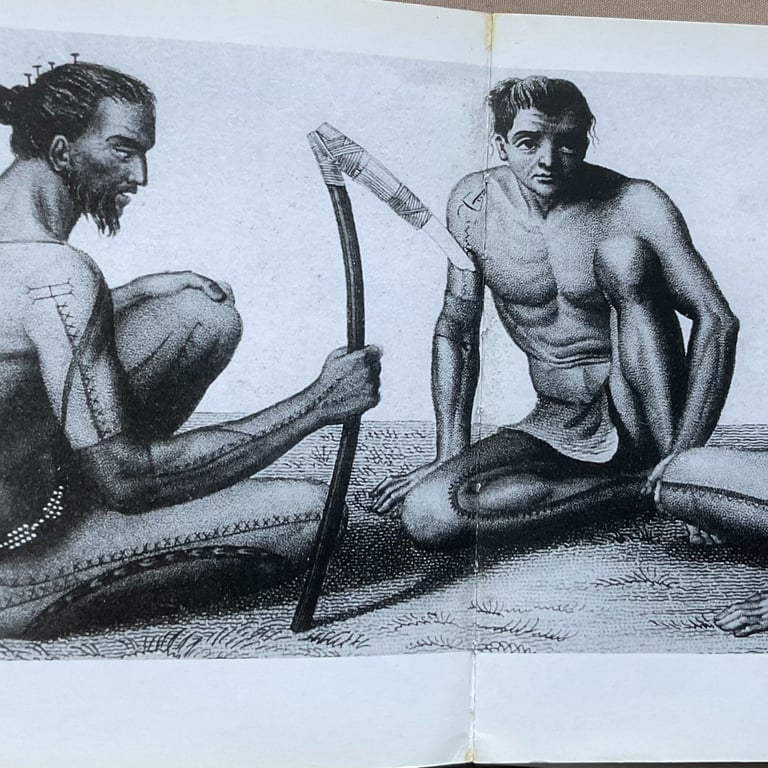
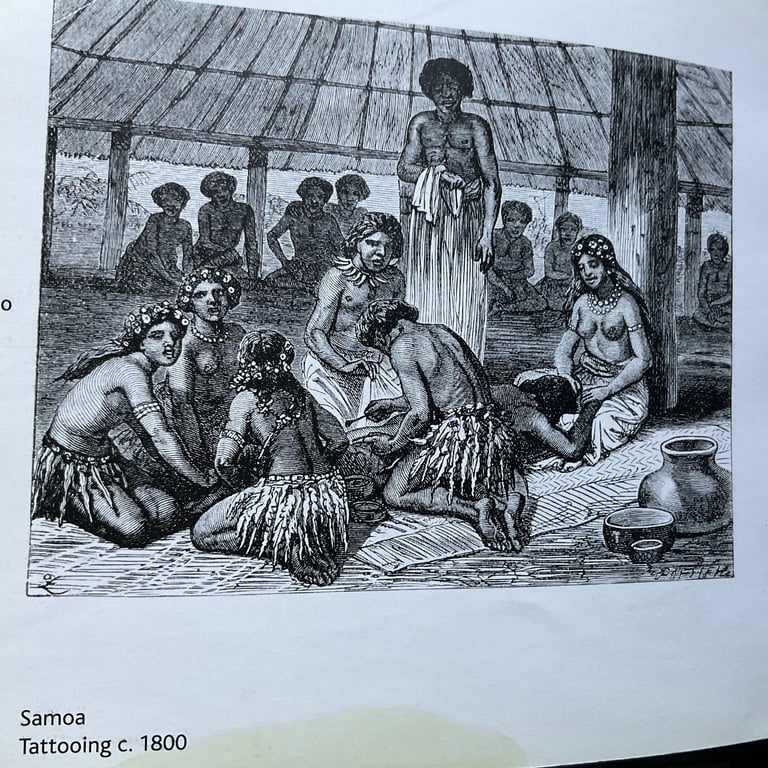
The last documented sketch of a Tongan tatatau was recorded in 1827 during the French Astrolabe expedition led by French naval officer Captain Jules Dumont d’Urville, and published in 1833 by artist Louis Auguste de Sainson. Since that time, the traditional practice of tatatau in Tonga—especially using Samoan ritual tools and ceremony—has not been revived on Tongan soil, despite several individuals of Tongan heritage receiving tatau overseas.
Even today, there are Tongan-New Zealanders, including matapule (attending chiefs) of estate noble lords in Tonga, who have traveled to Samoa to receive both Tongan-inspired tattoos and traditional Samoan pe‘a. However, this does not equate to practicing the Samoan tatau ceremony in Tonga. The traditional Samoan tatau ritual is not performed in the Kingdom of Tonga, 176 tropical islands and seas and those who have received it have done so with respect to Samoan protocol—outside the jurisdiction of Tongan traditional practice.
Yet, Tongans born and raised in New Zealand Australia the United States, Hawaii, Utah, and California often promote the idea of creating a “Tongan tatatau ceremony” modeled after the Samoan tatau ritual.
These ideas—though well-intentioned—lack the foundational understanding of Tui-Tonga’s cultural protocol, historical governance, and sacred boundaries. Tongan tattoo artists living abroad who receive traditional tatau from Samoan tufuga may genuinely believe they are reviving an ancient Tongan custom.
However, without deep immersion in the customs, chiefly systems, and ancestral wisdom of Tonga, such practices risk misrepresenting or reinventing traditions that were never historically part of Tongan ritual practice.
While many Tongans reference the 2019 ABC News article that highlights the discovery of the world's oldest tattooing kit in Tonga to justify claims that Tongans practiced traditional tattoo (tatatau), what is often misunderstood is who performed these tattoos and under what authority. The archaeological find confirms the presence of tattooing tools made from human and bird bones, but it does not confirm that Tongans independently practiced the Samoan tatau ritual.
Many of the "Tongans" who were tattooed historically, especially those who received full body tattoos similar to the pe‘a, were tattooed by Samoan tufuga tatau, either in Samoa or by Samoan Tongans living in Tonga—particularly those with direct ancestral ties or chiefly authority to perform these sacred rituals.
One important historical reference is the township of Pea in central Tongatapu. Many do not know that Pea was named to honor Samoans brought to Tonga by Estate Noble Chief Lord Lavaka and Warlord Takai during the Battle of Bea in their resistance against Taufa‘ahau King Tupou I.
These Samoan aiga Tongan kainga families, known for their tattoo lineage, were settled in Tonga and intermarried with local Tongan kainga (Tongan families). The name “Pea” itself is a direct reference to the Samoan pe‘a, signifying the presence of Samoan-tattooed warriors who lived among the Tongans but maintained their cultural and tattooing rights.
Despite this shared history, contemporary Tongans raised overseas—particularly in Hawaii, Utah, and California—often misunderstand or overstep cultural boundaries in their efforts to reclaim identity through Polynesian tattoo.
Many of these Overseas American Tongans promote the practice of a "Tongan tatatau ceremony" based on the Samoan tatau ritual without understanding that such ceremonies require sacred authorization, birthright, and chiefly lineage to be practiced.
These American Tongans had never lived in Tonga to learn the traditions, customs and history of Tonga in Tonga.
ORIGIN OF POLYNESIAN TATTOO Culture FROM FIJI GIFTED TO SAMOA
In contrast, Fijians, despite their role in the origin of Polynesian tattooing—such as the Fijian veiqia tattooing tradition and the legend of tattooed Samoan twins Siamese twins from Fiji—Fijians do not perform the Samoan tatau ritual, out of respect for the sacred boundaries of Fijian - Samoan cultural authority.
Just like in Fiji, the practice of tatau in Tonga must be understood through historical accuracy and cultural protocol, not through personal interpretation or diaspora-based reinvention.
Unfortunately, these misunderstandings have caused repeated online uproars and cultural clashes between Tongans and Samoans—especially surrounding the rightful custodianship of tatau.
The sacred Samoan tatau ceremony belongs to Samoan tufuga tatau and their lineages, and while Tongans may receive it respectfully, it is not our place to recreate, rename, or reinterpret their sacred rituals. True respect lies in knowing where our identities meet, and where they must respectfully stand apart.
The Sacred Lineage of Our Traditions
In ancient Tonga, the art of tatatau was practiced before the ban of 1839, enacted under TaufaaHau King Tupou I. Our Tongan tattooing traditions are not the same as the Samoan tattoo pe’a or malu, although they share historical connections. It is believed and taught by elders in Tonga that Samoan tufuga tatau in Tonga helped revive our tatatau traditions—but never were Tongans allowed to practice the Samoan ritual themselves unless by Samoan Tongan appointed by an Estate Noble Chief of Lords or the King of Tonga.
In the United States of America, Australia and New Zealand today, some Tongans living overseas believe that marrying a Samoan or growing up with Samoans and receiving a Samoan tatau gives them the right to practice or rename this tatau gift from a Samoan tufuga tattoo master as a “Tongan malu” or a “Tongan pe’a.” https://www.samoaobserver.ws/category/samoa/111952
This is not only culturally inaccurate, but this act disrespects the sacred ancestral lineage of the Samoan tufuga and dishonors the chiefly systems of both Tonga and Samoa.
Two Paths of Leadership: Bloodline Inheritance vs. Community Appointment in Tongan and Samoan Chiefly Systems
The Tongan Chiefly system, known as the Ha‘a Houeiki, and the Samoan Chiefly system, lead by the Paramount Chiefs of Samoa known as the Ali‘i Matai, represent two distinct frameworks of ancient Polynesian leadership still practice today—each rooted in their own ancestral customs, protocols, and societal values.
In Samoa, a Paramount Chief ( Ali‘i Matai ) can appoint branches of Matai titles to individuals under his command. These Samoan Chief Matai title holders can appoint their own Tulafale an orator who pass on the message of the Matai to the people. The Samoan Matai Chief can appoint and install a Samoan Matai Chief title on a Samoans including Samoans living overseas who have brought honor or recognition to the
" Samoa" name—such as celebrities like Dwayne “The Rock” Johnson, rugby legends like Inga Tuigamala https://youtu.be/0IzfYskXAUI?si=JO-My63_QX4TjSfKand Keven Mealamu, or boxer David Tua.
https://www.samoaobserver.ws/category/samoa/113221
These titles reflect service to the Samoan identity and the Faa-Samoa (Samoan way of life) even if the individual resides abroad. There are Tongan artist who had received a Samoan Matai Title from the Samoan Matai in Samoa and they live overseas but they cannot receive a Chiefly titile in Tonga.
By contrast, Tongan Chiefly system, titles are inherited strictly through bloodlines within the Ha‘a Houeiki: Estate Noble Chiefs of Lords and cannot be gifted or appointed based on popularity or public stature. A Tongan Estate Noble Chief must reside in Tonga, actively serve the people, attend royal and community obligations, and uphold the cultural responsibilities passed down through the noble estates. A Tongan Noble Chief of Lord appoints his own Matapule; Attending Talking Chief. This fundamental difference highlights the strict hereditary structure of the Tongan system, versus the flexible, merit-based appointments often practiced within the Samoan Matai system.
Tradition Is Not a Trend
There is a growing trend in places like Utah and Hawaii where new Tongan tattoo artists are performing traditional tatau rituals and calling them Tongan ceremonies. This creates conflict and confusion—not just among our Tongan and Samoan people, but in the larger global Polynesian tattoo community.
These new westernized adopted actions dishonors the Tala-TukuFakaHolo of Tonga and Tongan Code of Honors—the traditional values and cultural foundation of Tonga and does not follow and honor the Tonga Coat of Arm’s mission “Koe Otua mo Tonga Ko Hoku Tofia”, Samoan Tatau is not part of Tonga’s Tofi'a (Inheritance).
The Tonga Royal Family, the 33 Estate Noble Chiefs of Lords, and the seven clans of the Ha’a Havea are the custodians of our Tongan traditions, code of honors and cultural values.
Any Tongan cultural revival or cultural fusion must be approved through formal channels, not claimed by Tongan individuals with personal sentiment or overseas identity politics.
“Born into Honor: A Life of Service Beyond Titles.
I was never taught to claim a chiefly title or live as if I were above anyone. I was taught to serve—to uphold the dignity of my people through action, not status.
As a descendant of the Kainga Lavulo, I carry a name that is already steeped in honor and tradition—a name that stands without the need for additional titles.
In Tongan custom, those born into certain chiefly or noble lineages, like the Lavulo and Cockers do not hold or accept Matapule (Attending Chief) titles, as the name itself holds mana—cultural authority, dignity, and ancestral responsibility.
I cannot and will not accept any other "Chiefly or Honorable" title, whether from any clans in Tonga, Samoa, or Fiji, because my ancestral blood already speaks for itself.
My paternal grandmother, though of noble descent of the Estate Noble Chief Tui Lakepa of Ofu Island Vavau Group, https://youtu.be/bVrzirWCPBQ?si=IqVIOXIC6BfFduae she could not be installed as a chief due to her gender as a woman under Tongan traditional law, and therefore she must married an outsider a "palangi-lo’i"—a biracial Tongan-British man from the respected Cocker family of Tonga, who served as British Consulate of Tonga under Taufaahau King Tupou I in 1860.
https://malotonga.com/1HohokoCockersofTonga.html
On both sides of my lineage, I inherit names and legacies that are deeply embedded in the Tonga cultural, artistic, and historical foundations of the Tongan people.


**THE HISTORY & REVIVAL OF TONGAN TATTOO (TATATAU)
A Timeline of Our Cultural Tattoo Journey — kingafa.com **
Most of our 200,000+ Tongan people today do not understand the full journey behind the revival of Tongan tattoo (tatatau).
This cultural revolution did not happen overnight. It comes from decades of sacrifice, mentorship, cultural work, documentation, and advocacy carried out by specific individuals inside and outside the Kingdom of Tonga.
This is the timeline.
1. THE SAMOAN TATAU LINEAGE THAT SHAPED THE PACIFIC Islands Tattoo REVIVAL
The late Sua Suluape Paulo, the Samoan tatau legend, is one of the most important figures in the history of Pacific tattoo. Sua Paulo Suluape was responsible for taking Polynesian tattooing to the world stage—appearing in New Zealand media and European media in the 1980s and 1990s, teaching traditional Samoan tatau internationally, and inspiring hundreds of tattoo artists across the world.
Sua Paulo Suluape passed away tragically in 1999. Out of respect for his aiga Samoa and the Suluape name, we acknowledge his tragic death with dignity. His contribution must always be remembered with honor.https://www.nzherald.co.nz/nz/tattooists-death-manslaughter/F4SY7D3M3WOFOMNMWA2UH32WS4/
After Sua Paulo Suluape’s tragic demise in 1999 passing, his younger brother Samoan tatau master Sua Suluape Alaiva'a Petelo continued the Suluape tatau legacy.
Sua Petelo Suluape later trained his son, Sua Suluape Peter, who carried this traditional Samoan tatau lineage into the modern era. https://skindigenous.tv/videos/season-1/episode-samoa/
Sua Peter Suluape was a guest tattoo artist at Kalia Tattoo when he visited New Zealand and in 2011 , and he gifted a tatatau to Carl Kalia, https://youtu.be/8O4DhXclU0Q?si=ei8sHuXVhQYI-EnT honoring the cultural relationship between Samoa and Tonga.
Papa George was introduced to Sua Peter Suluape by Carl Kalia in 2011 at the New Zealand Indigenous Tattoo Convention.
In 2019, the Sua Petelo Suluape + family invited George “Papa” Cocker and his wife to a feast in Samoa while attending Pacific Games in Samoa , honoring Carl Kalia’s friendship taking care of Peter Suluape in New Zealand, and cultural leadership and acknowledging our Tongan tattoo family’s contribution to the revival of Pacific Islands tattoo.
Their friendship, strengthened the connection between our two tattooing traditions https://www.kaliatattoo.com/media-press-polynesian-tattoo-artist-history-meaning
Historically, the Suluape family comes from Samoan aiga tufuga tatau who tattooed Tongans in ancient times. Records show Tongan men were still traveling to Samoa to receive tatatau into the 1800s and early 1900s. This is why the Suluape name is culturally connected to “ Tongan tattoo “ history.
2. THE BEGINNING OF THE MODERN TONGAN REVIVAL (1997–2006)
In 1997, Māori tā moko artist Inia Taylor, who was trained by Paulo Suluape, opened Moko Ink, the first Polynesian tattoo shop in New Zealand owned by a Māori tattoo artist. Inia Taylor was the Assistant Art director of the New Zealand epic film Once Were Warriors https://youtu.be/N0-Q3ChKcfE?si=qbUp1jlzK6vSau7K
From 2002–2006, Carl Kalia Cocker trained mentored under Inia at Moko Ink, trained in both Māori tāmoko tattoo art, Maori carving whir art, Maori culture, Samoan tatau art lineage of the Suluape family. https://youtu.be/KQRyUtx9cy8?si=7lecJLio62uFHrDk
In 2005, I traveled to Auckland New Zealand, trained and mentored Carl Kalia and Inia Taylor at Moko Ink in Grey Lynn Auckland, becoming part of this cultural lineage and foundation for the revival of this cultural revolution “ Tongan tattoo” .
3. THE 2006 TAHITI BREAKTHROUGH — TONGAN REPRESENTATION BEGINS
In 2006, Carl Kalia Cocker represented Tonga at the Tattoonesia Tatau i Tahiti Polynesian Tattoo Convention —the largest tattoo event in the Pacific Islands region.https://youtu.be/OqqGVw2Y4Hs?si=84bnhLMsjOglwltz
There were no other Tongan tattoo artists present.
At only 25 years old, Carl Kalia Cocker won 1st Place Overall, bringing global attention to Tongan tattoo culture for the first time in the tattoo industry. https://youtu.be/KQRyUtx9cy8?si=2EIahQtxy8EoQct5
This is the moment that helped establish Tongan tattoo as a respected style worldwide.
4. CREATING CULTURAL & ECONOMIC VALUE (2000s–2010s)
Carl Kalia attended dozens of tattoo conventions across New Zealand and Australia, winning numerous awards and lifting the cultural and commercial value of Tongan tattoo.
In 2010, Carl Kalia revived Fijian tattoo by winning the Sydney Tattoo Expo with a Fijian masi chest tattoo.
This was the first time modern Fijian people (Kaiviti and Indo-Fijians) saw a Fijian masi tattooed on a Fijian person.
This moment became the beginning of the modern Fijian tattoo renaissance.
The first ten years (2000–2010) were pure groundwork. I created a new price structure, introduced cultural tattoo protocols, refined traditional art styles, and educated clients on the differences between authentic Tongan, Samoan, Fijian, Māori, Micronesian, and Melanesian art.
In 2006, I became the first Tongan tattoo artist in the United States of America to officially work in a professional tattoo studio with a W-2 paycheck, earning USD$200 an hour at Zulu Tattoo in Hollywood/Beverly Hills Los Angeles area https://www.kingafa.com/polynesian-tattoos/media-podcast —at a time when every other Polynesian tattoo artist was still charging garage-sale tattoos.
The value of a Tongan tattoo artists in Tonga was box of cigarette and case of beer.
I had to create value from the garage sale market and my pricing forced the entire Polynesian tattoo market in the US America to rise.
We now have a price point for Polynesian Tattoo market and Tongan Tattoo market. https://www.kingafa.com/polynesian-tattoo-artist-tonga-pacific-islands
While I was building value in the Northern Hemisphere, my brother Carl KĀLIA Cocker was doing the same work in the Southern Hemisphere. Together, we built the Tongan Tattoo Renaissance.
Today, Tongan tattoo artists in Tonga charge TOP$200–TOP$1,200 for forearm sleeves—prices that could never exist without the 20 years foundation we built.
Tattooing has become a real career in Tonga, supported by tourism, Tongan diaspora clients, and Tongan cultural demand. But in the early 2000s, none of this existed.
The negative stigma was strong, there was no local market, and nobody believed tattooing could be profitable or respected.
5. THE FIRST TONGAN-OWNED TATTOO SHOP IN NZ, AUSTRALIA & THE SOUTHERN HEMISPHERE (2009)
In 2009, Carl Kalia officially founded Kalia Tattoo in Papatoetoe, Auckland—the first Pacific Island Polynesian tattoo studio in New Zealand, Australia, and the entire Southern Hemisphere owned and operated by a Tongan tattoo artist. https://www.kaliatattoo.com/
This legal tattoo studio became the center of Tongan tattoo innovation, training, and mentorship for years to come.
6. MAKING TATTOO Business LEGAL IN TONGA — THE FIRST LICENSED TATTOO BUSINESS (2011)
Tongan Tatatau and all tattoo was outlawed in Tonga in 1839 under Taufaahau King Tupou I’s first Kingdom of Tonga legal law code.
For 160+ years, Tongan tattooing existed underground.
In 2011, for the first time in Tongan history, a tattoo business was officially registered.
George Papa was operating a tattoo from home in 2009 but the tattoo business was never registered as a business in Tonga Govt.
Carl KALia told George Papa to pay TOP$600 to register Kalia Tattoo in Tonga in 2011 with his Kalia Tattoo business license from New Zealand and George Papa was hesitant, he did not believe that “ Tattoo “ would be a career and a viable business in Tonga.
King 'Afa and Carl Kalia we’re able to see the market in Tonga and we believe there is a market and we can build an economy of tattoo in Tonga, but local tattoo artists in Tonga did not know how to create value of tattoo in Tonga. I saw the market from Kuala Lumpur Malaysia in 2001 and I created the value since then kingafa.com
Carl Kalia's wife Janet Hopoi Cocker paid the 1st Kalia Tattoo business license in Tonga for George Papa to operate the 1st Kalia Tattoo business in Tonga.
Janet Hopoi and George Papa's wife Samantha Moala registered the 1st tattoo business with Tonga Ministry of Labor & Commerce and that stigma “ tattoo “ became a legitimate private-sector business.
This breakthrough was made possible by:
• Janet Hopoi Cocker – who paid the first tattoo business license fee TOP$600 in Tonga
• Samantha Moala – who assisted in registering the business
• George “Papa” Cocker – who operated the 1st licensed tattoo business Kalia Tattoo brand in Tonga 2011
• Carl Kalia Cocker – who provided the original Kalia Tattoo brand NZ license certificate and cultural leadership to George “ Papa ” Cocker
Papa George initially hesitated from 2001 - 2008 because tattooing was not seen as a viable career in the Kingdom of Tonga. Carl Kalia and myself, however, saw the market potential and the cultural responsibility to bring tattoo business and tattoo culture back into the Kingdom as a legal private sector and fine art.
George Papa later met with the Tonga Ministry of Tourism to recognize tattooing as cultural tourism.
As a result, Kalia Tattoo has been featured in the Tonga Visitors Bureau brochure for over several years.
King ‘Afa and Carl Kalia both supplied tattoo ink, needles, knowledge and supplies for Papa George Kalia Tattoo Tonga since 2009 - 2022.
7. THE FIRST TONGAN TATTOO WEBSITE (2002)
Carl Kalia registered TonganTattoo.com in 2002—the first Tongan tattoo website in the world, and King ‘Afa registered PolynesianTribalTattoo.com in 2006 - 2023 then developed, designed and launched Kalia Tattoo websites kaliatattoo.com and kingafa.com in 2024
This platform preserved, archived, and shared Tongan Tattoo history, art and culture.
8. TRAINING & MENTORING THE TONGAN TATTOO COMMUNITY (2008–2022 )
George “Papa” Cocker’s Training (2008–2009)
Carl Kalia paid and sponsored, trained and mentored Papa George to train at Kalia Tattoo in New Zealand after the 2009 official launch of Kalia Tattoo in New Zealand.
Papa George later mentored:
• Tongan tattoo artist ʻOfa Tupou ( Happy Sailor Tattoo Nukualofa Tonga. )
• Britain visitor resident tattoo artist James (founder of Sailor Tattoo) rented our home in Houmakelikao Maufanga 2016 - 2017 Dm for bookings: WhatsApp +6767756777 or +6767735131 Instagram: @happysailortattootonga, @tupouofa
King ‘Afa Contributions to Tongan Tattoo : Tattoo Artists Inspired, Mentored, or Trained supplied free tattoo supplies + free tattoo training.
trained twice, mentored, and gifted a tattoo machine and equipment—free of charge—to Tongan tattoo artist Vili Ngata 2009 - 2010
He later worked at Frost City in Salt Lake City, Utah, Vili Ngata passed away in 2022 from a drug overdose.
Taki Vea aka Fala-o-NiuVakai - Salt Lake Utah 2007 https://www.falaoniuvakai.com/
King ‘Afa and Carl Kalia mentored and tattooed equipment for Tongan tattoo artist Fautasi Vea (Tasi Waiouru Tatatau ) - Melbourne Australia https://www.instagram.com/nukualofatattoo/ , founder of Nukualofa Tattoo Shop (2017)
now operated as Otu Felenite Tattoo and Barbershop by Tongan tattoo artist Taleta Maka https://www.facebook.com/taletamaka.jr
Willy Foketi 2009 https://www.instagram.com/yamz5700/ - Humble Beginnings Tattoo San Jose Oakland Bay Area North California
Nia Raas aka Sinitalela - Sacramento California 2010
Tomasi Manuatu ( Moreno Valley California ) 2010
Samoan Tattoo artist Pe’a Man ( American Samoa - Oceanside - Dallas Texas) 2017
Sam Taungakava https://www.instagram.com/sam_tattoo/ - Seattle
Bou Bully - Seattle
Maika Vaeno Tava - Inglewood Los Angeles
Feti Unga - Rancho Cucamonga Southern California - Las Vegas
John Vamanral - Utah
Mathaias Vanisi - Utah
Tattoo Artists Carl Kalia Mentored or Inspired from NZ & Australia
• Tongan tattoo artist Maikolo Mafi 2009 – Culture Ink Sydney Australia - Carl Kalia gifted Maikolo a Mickey Sharpz tattoo machine and tattoo supplies
• Mana Fifita ( Germany ) & Jedi Fifita - Doko Ink in NZ (2009–2014)
> Sold first tattoo machine to tattoo artist Kiti Vailea in New Zealand ( San Diego California )
> Inspired Tongan tattoo artist Stanley Lolohea - New Zealand https://www.facebook.com/photo?fbid=904695779545666&set=a.666068043408442
> Filipino Tattoo Artist Orly Locquiao - Humble Beginnings Tattoo - San Jose, Bay Area, North California
> PeliAsi Soakai ( Havelu & New Zealand )
• Tongan tattoo artist Vitolio Ongolea - Kingdom Tattoo
• Tongan tattoo artist Sani Tatatau (Sani Tapueluelu) https://www.facebook.com/sani.tapueluelululu
• Tongan tattoo artist Kuli Mafile’o
• Tongan tattoo artist Geoff Teddy Tattoo
• Pat Morrow Samoan Tattoo artist - True Marking Brisbane Australia https://www.facebook.com/truemarkingstattoo
• Willie Nixon (Cook Islander) - Nesian Tatt ( Australia ) https://www.facebook.com/nesian.ink
> Tongan Maori Tattoo artist - Terje Koloamatangi https://blog.tepapa.govt.nz/2022/09/06/tongan-tattooing-reconnecting-to-fonua-across-time-and-space-through-the-art-of-tatatau/
• Langi + Solo Hopoi aka King Salaman ( Fasi-moe-Afi-a-Tungi ) & Visesio Tau Soakai - NZ
• Pip Hartley - Karanga Ink NZ
> • Tongan tattoo artist Tali Houma - Frost City Utah
Tongan Tattoo Artists Who Inspired King ‘Afa and Carl Kalia (1990s)
• Piliote Vea (Haʻateiho Tongatapu ) https://www.facebook.com/piliote.vea
Taitusi Lautaha - Los Angeles - gifted a tattoo machine to Carl Kalia
• Duke " Tiuke" Tukuafu ( Houmakelikao, Maufanga Tongatapu ) https://www.facebook.com/duke.tukuafu
• Vilisoni Kaivelata (Kanokupolu Hihifo Tongatapu) https://www.facebook.com/sesi.l.ruby – tattooed King 'Afa in 1999 in Halaleva TongaTapu with childhood friend Soni Vaka.
9. INTRODUCING TONGAN ARTISTS from Tonga TO THE TATTOO INDUSTRY (2011)
George “Papa” attended his first tattoo convention at the Kalia Tattoo booth in New Zealand in 2011, alongside Car Kalia.
This was his first exposure to the global tattoo industry and convention culture.
10. THE IMPACT OF THIS MOVEMENT
This revival:
• Opened the tattoo market in Tonga
• Created economic opportunities for Tongan artists Tonga
• Reestablished Tongan cultural pride
• Connected Tongan tattoo to Samoan,Fijian, Māori and Micronesian lineages
• Restored Tongan Tattoo not Tongan Tatatau after 160 years of suppression
• Built a new generation of Tongan tattoo professionals
• Established legal and commercial pathways never seen before in Tonga
This is the genealogy of influence:
Sua Paulo Suluape ( Suluape Tatau Samoa ) → Inia Taylor ( Moko Ink NZ ) → Carl Kalia ( Kalia Tattoo NZ & Australia ) + King ‘Afa ( Kalia Tattoo Los Angeles US ) → George Papa ( Kalia Tattoo Touliki Tonga) + Mana Fifita ( Doko Ink - Germany ) + Maikolo Mafi ( Culture Ink - Sydney NSW Australia ) + Tasi Waiouru ( Melbourne ) Australia + Taleta Maka ( Otu Felenite Tattoo Nukualofa Tonga ) + Taki Vea ( Fala-O-Niuvakai SLC Utah USA ) Stanley Lolohea ( NZ ) + Terje Koloamatangi ( Small Axe Studio NZ ) + Matiah Koloamatangi ( Small Axe Studio NZ ) → the next generation.
This is how Tongan tattoo returned to the world.
FOR EDUCATION & CULTURAL REFERENCE
Authentic Polynesian Tattoos, Tongan tattoo, Pacific Island art heritage, and contemporary tribal art:
🌐 kaliatattoo.com – Brisbane & Sydney, Australia
🌐 kingafa.com – West Los Angeles & San Jose + San Francisco Bay Area, California
Our mission has always been to preserve the integrity of Polynesian Tattoo art , create value and market for Polynesian Tattoo, Tongan Tattoo, Micronesian Tattoo, Fijian Tattoo, and now refined Tongan tattoo cultural art without practice of the traditional ancient Tongan Tatatau and leave that sacred ritual tradition for Samoan Tufuga Tatau artists.
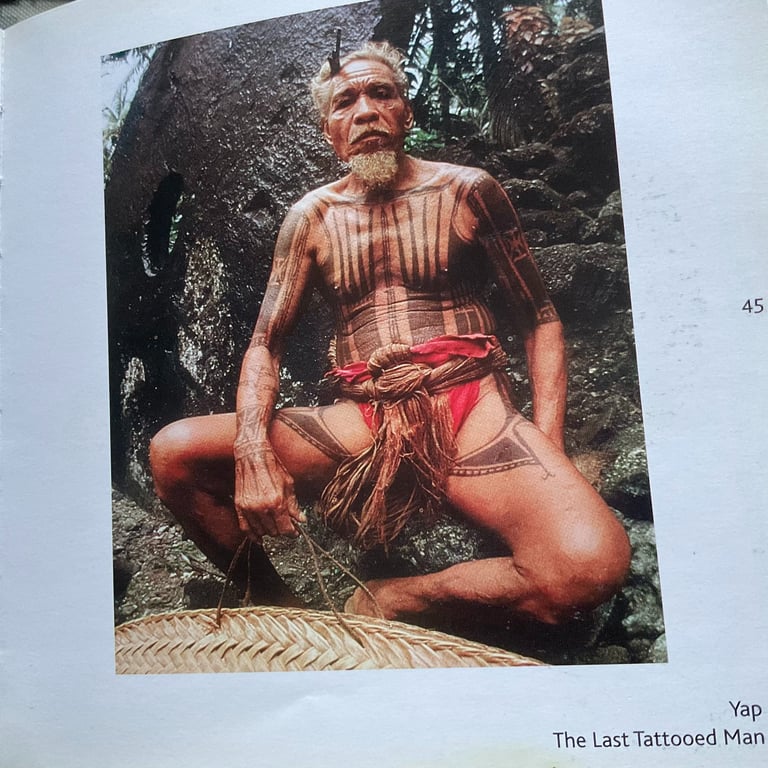
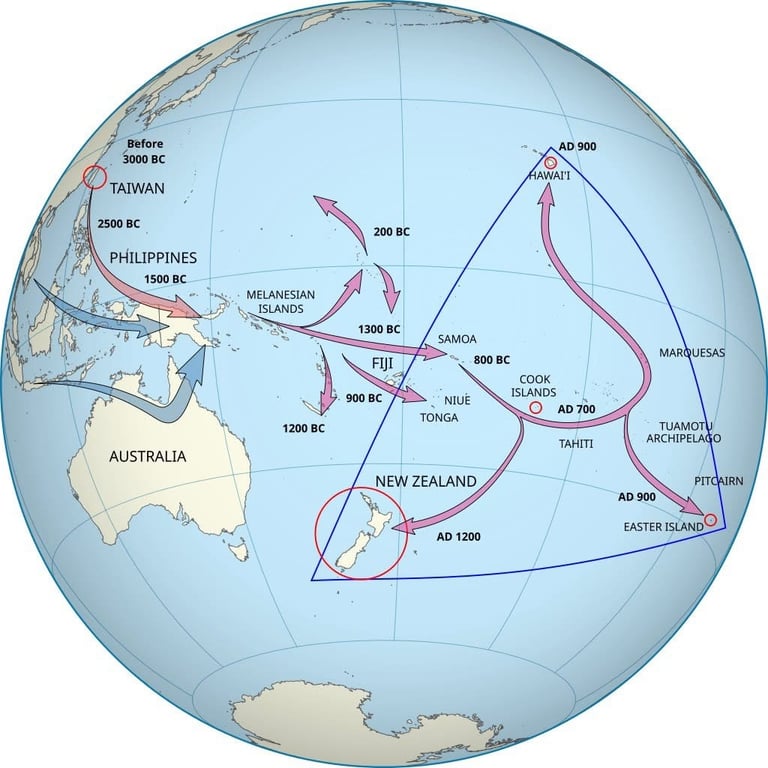
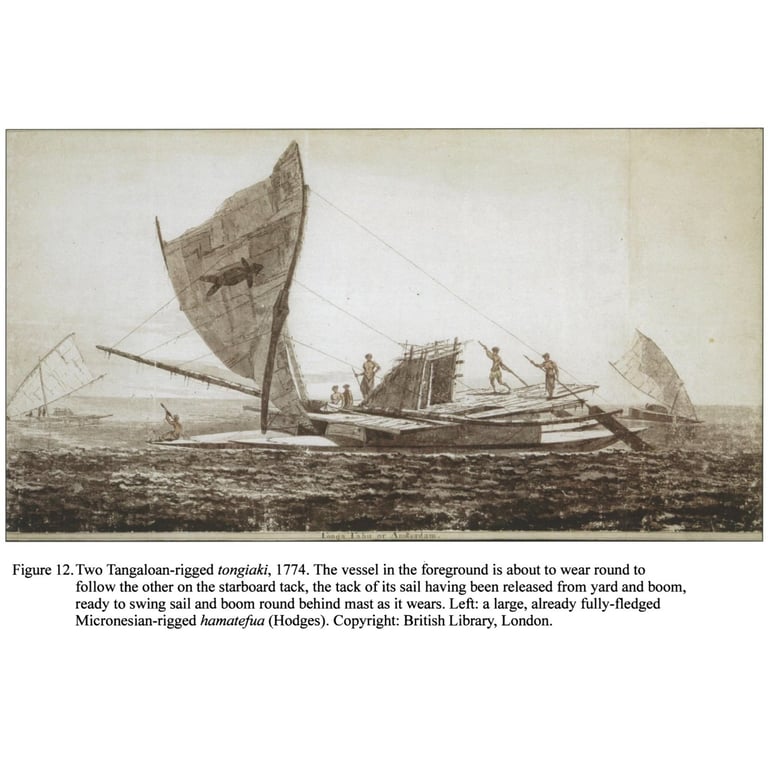
Pacific Islands Tattoo History
Melanesian Tattoo - Micronesian Tattoo - Polynesian Tattoo

Book Appointment
Priority will be given to projects that align with my interests and creative vision, so please include as much relevant information as possible.
Studio Information; There is a minimum for clients tattoo out of metropolitan city/state/country.
Appointments are by booking only, and the exact address will be provided upon receipt of your deposit.
For any additional questions, please include them in your inquiry booking form. I'll do my best to respond as soon as possible.
Thank you for your understanding, and I look forward to working together!
Contact
kaliatattoo25@gmail.com